Interview: Nuno Tavares / Gryflet
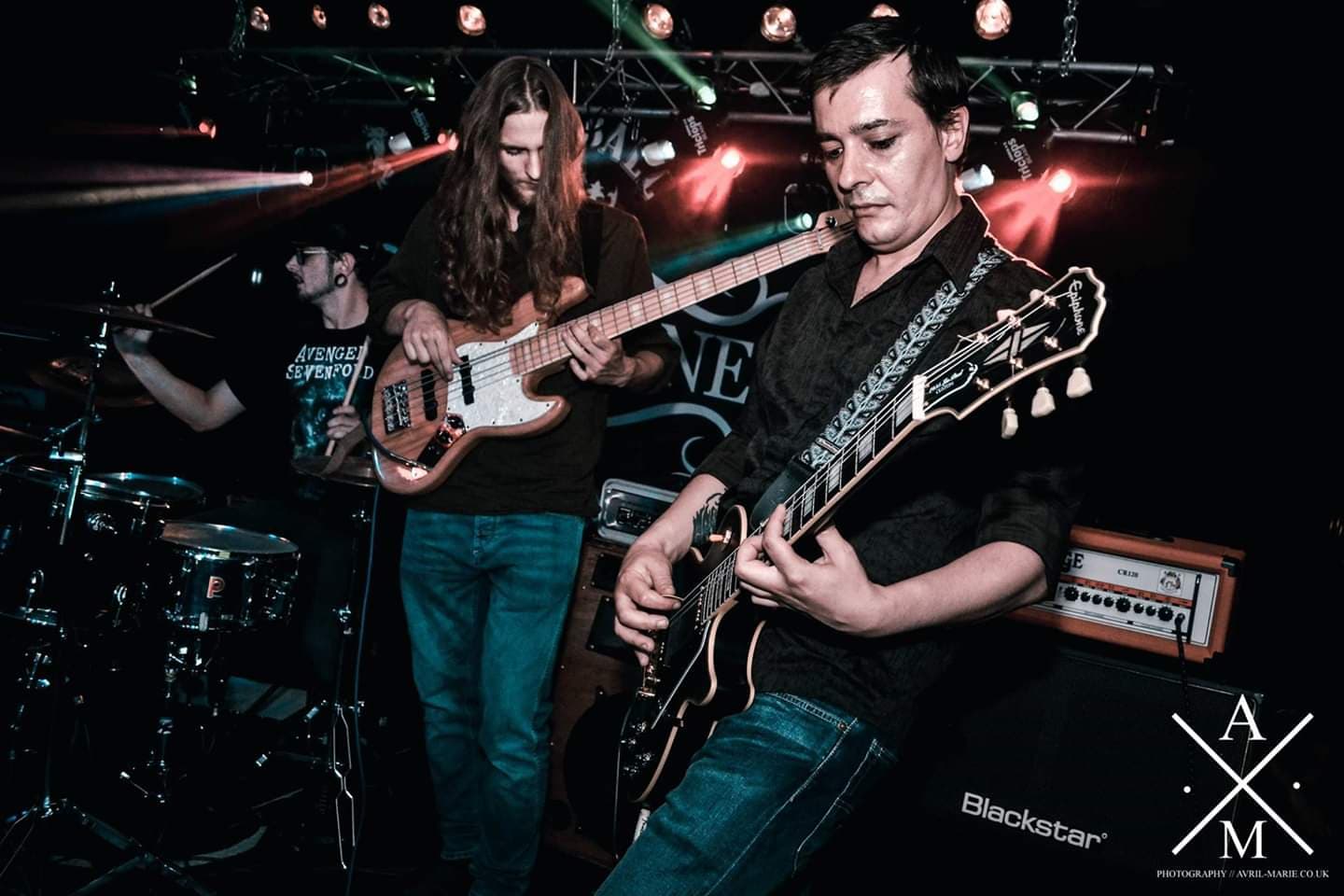
In May 2020, in the middle of a global pandemic, jh0st sat down virtually with Nuno Tavares — the mastermind behind heavy rock band Gryflet. Having collaborated across oceans and time zones without ever meeting face-to-face, talking for the first time through a screen felt surprisingly natural.
jh0st: So how’s it going over there — are you surviving the pandemic?
Nuno Tavares: We acted a bit late over here, but within a week we were all asked to stay in. I was one of the ones asked to stay on at work, so it’s worked out fine. Though two of Shelagh’s daughters are out of work. Recovering from all this is going to be the real fight.
jh: Before we start — how the hell do you pronounce Gryflet?
NT: Shelagh tends to say ‘Griflet’ even though it has a ‘y’ in it. It was a name that just came into my head — I make up words sometimes. The funny thing is I went on Google afterward and it turns out Griflet was one of the knights from King Arthur, so I thought: what a great connection.
jh: Tell me about the beginning.
NT: When I moved to the UK in 2005, I mainly played bass. Around 2013, a close childhood friend named Daniel was living here in Taunton — we’d known each other since I was 8 in Portugal. He was on the 3rd floor of our building, I was on the 2nd. He moved to the UK in 2007 and didn’t even know I was there until someone told him we were in the same town. I would pick up his guitar and play some progressions and he would sometimes say ‘That sounds really sick!’ — and we’d make it a song. That’s how ‘The North’ came about. On weekends I’d start recording. I didn’t have anything so I’d use my mobile phone.
jh: When did you start working with Frank Baker?
NT: The first song Frank heard was ‘The North‘ — mainly acoustic, just like ‘Gryflet’s Journey.’ We talked a lot about music and our mutual love of Steven Wilson and Porcupine Tree. Frank’s like a chameleon — he disappears for months and comes back with something totally new. When we discovered what we had in common, he offered to help me mix and record. He was the key and still is.
jh: How did we end up connecting?
NT: Actually, you commented on one of my songs first. I was spending a lot of time on SoundCloud back then — it’s a social network, you get as much as you put in. When you commented on ‘Endless Tempest’ I looked through your catalog and there were a few tracks that really appealed to me.
jh: Oh god, most of what I have on there was from the ’90s.
NT: ‘Apologia‘ was from ’89 — it sounded like Steven Wilson in the late ’80s with drum machines. I thought: this sounds so much like Porcupine Tree. Maybe that’s why we met: you started on cassette and I started on my phone. Totally low tech.
jh: Going back to ‘What You Don’t Need‘ — the lyrics I came up with were about drug addiction. What was behind the song for you?
NT: It was a pretty dark time in my life. I was out of work and depressed. Shelagh was the one keeping things going. ‘What You Don’t Need’ was about focusing on what you have and not caring about what you don’t. Steven Wilson once said there is a beauty in the darkness — and it’s about people trying to appreciate that beauty.
jh: 2015 was a dark time for me too. I was traveling like crazy, cranking up your music on airplanes and practicing the vocals in the bathroom so I wouldn’t wake anybody up.
NT: People have no idea. It’s like we were already working in a post-pandemic kind of way — making music in a room somewhere, with other people somewhere around the world. You wrote the stories around the sound and I appreciate that. ‘Bleeding Inside’ is epic.
jh: I don’t even know how you came up with that title.
NT: That’s me being a drama queen: ‘I’m bleeding inside!’ But it fits — the melody is a painful one and it appeals to people that way.
jh: For me, ‘Bleeding Inside‘ was about someone who had gone through domestic abuse. And ‘Endless Tempest’ — that riff is iconic.
NT: I first wrote it on acoustic guitar (grabs guitar and strums the riff). I started playing it and the drums were in my head. It was really heavy so I wacked a lot of distortion on the bass as well. I didn’t put much thought into it, it just came out.
jh: That song has the potential to be stadium rock. When you came up with ‘Mobocracy Mayhem‘ I didn’t even know what the word meant — I had to look it up.
NT: It was actually about the American elections. I said to Shelagh: ‘He’s going to win…’ — I was joking, and then he bloody won it. And then Boris Johnson became prime minister and it was the same phenomenon. The song turned out great though — especially with your saxophone playing.
jh: You stripped out the drums and an amazing guitar riff. That took courage.
NT: The bass line is strong enough on its own — more like old school blues. Sometimes the less complex things work better. I was asking your opinions throughout. It’s a joint cooperation.
jh: That’s when I realized you’re a composer, not just a player. People who only play get upset when you take their parts out. You’re not afraid to remove your own.
NT: I learned from bands like Nirvana — they always wrote the music first. The music is the main focus. Lyrics can sometimes steal away and make the music a background.
jh: Where is Gryflet now?
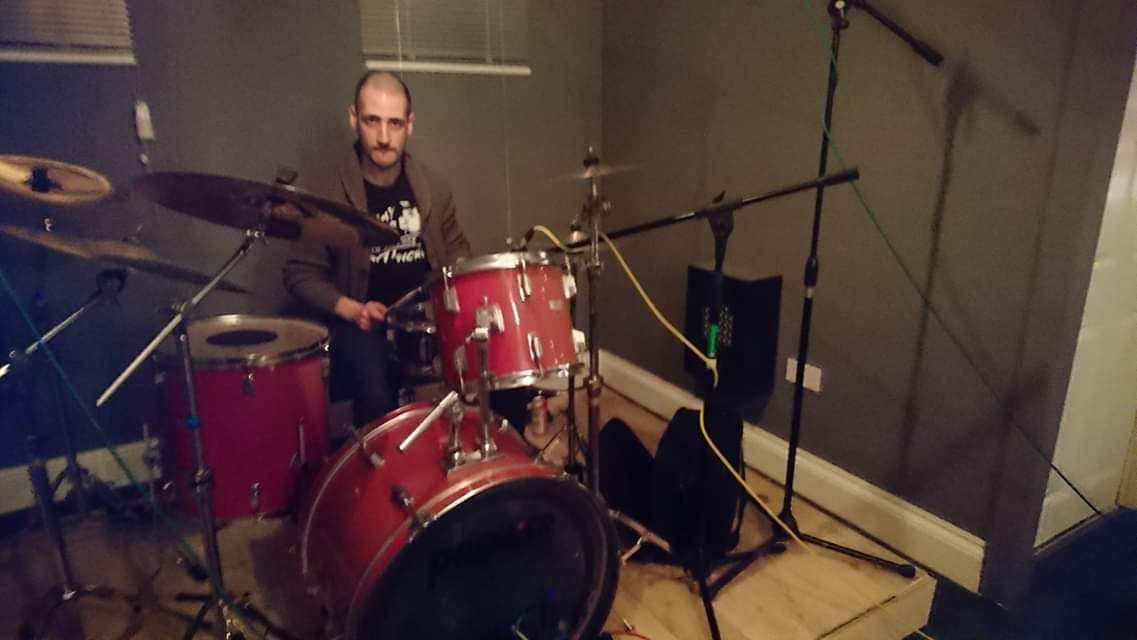
NT: At the moment I’m working with Andrea again — he recorded the new drums in Italy, I recorded guitar here. It’s always difficult sending files, especially drums with 6 separate tracks. But I went back to the root of it: recording the music. Playing live requires a lot of time and money and carrying gear everywhere for hardly any pay. This is a crazy idea, but I’d like to revisit or re-record some of the songs we did together. Let’s leave that in the air and see what becomes of it.
jh: Shelagh — you’ve been so supportive along the way.
Shelagh: I believe in his talent. I admire someone who believes in what they’re doing. When I first met him I had no idea he was a musician. If it wasn’t for Shelagh keeping on telling me to record the songs and get them online, I wouldn’t be here at this point.
NT: If one person enjoys it, I can be happy. But it became much more than one person.
Related Posts
-

Fading Green
As names fade from stone, forests quietly reclaim the stories we leave behind.
-
Ely Sky
A midnight escape and a secret undertow — one last eye cast toward the Ely Sky.
-
Sweet Blessing
A song sung to someone who can no longer hear it — grief, tenderness, and a broken violin with one string.
-
d’ville
Five song-stories from Charlottesville, thirty years in the making — loss, longing, and flashes of joy. [2022]